

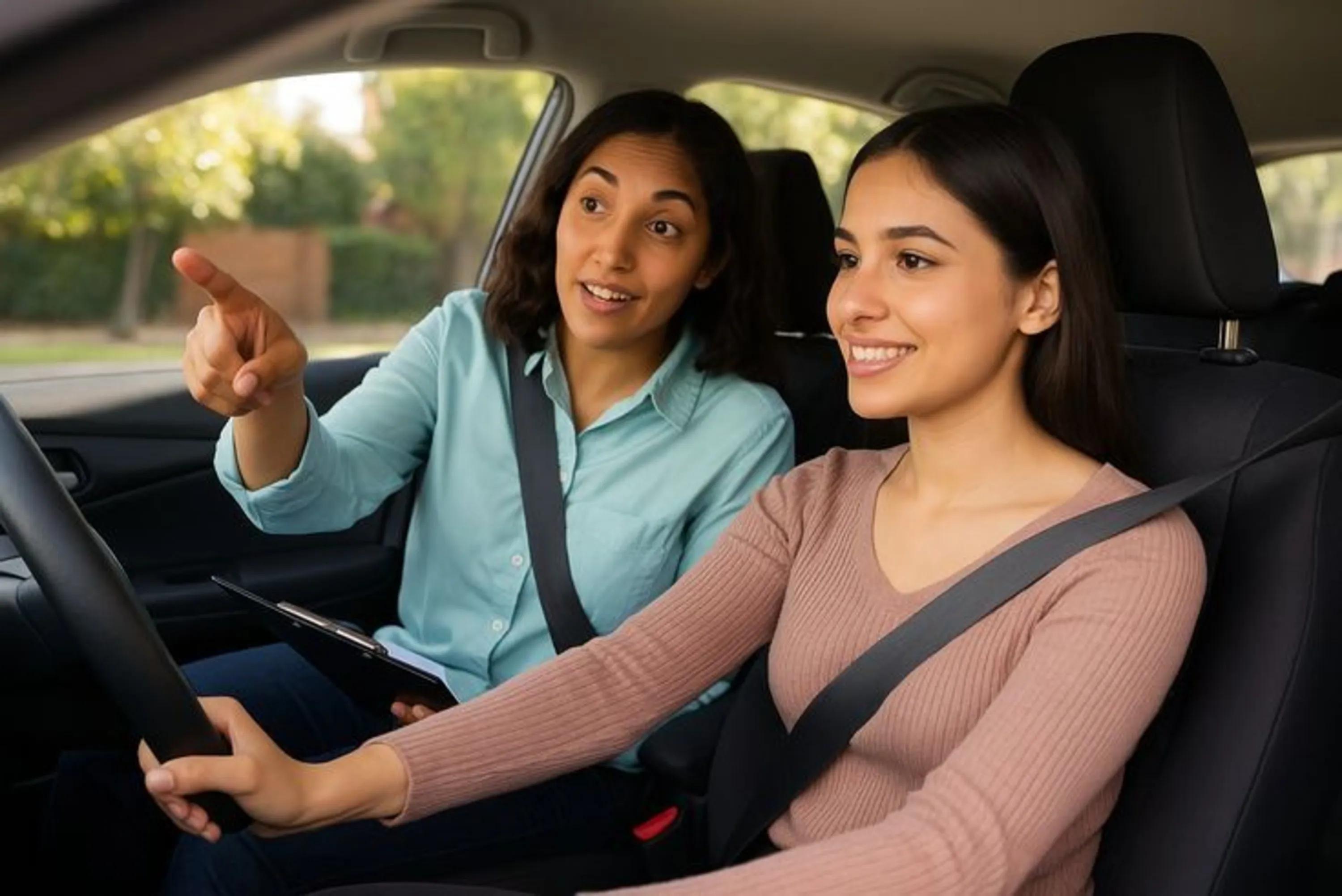
Class 7 driving school near me for confident beginners
Finding a class 7 driving school near me can be an important first step for a new driver. Learning to drive involves more than starting a car and moving through traffic. Beginners need to understand road signs, control the vehicle, make safe decisions, and build good habits from the beginning. Proper instruction can make the learning process easier and help new drivers become more comfortable behind the wheel.
Why Beginners Need Proper Driving Instruction
Class 7 driving school near me often have limited experience with real traffic. Reading road rules is useful, but practical driving requires quick observation and careful decisions. A trained instructor can show learners how to handle common situations in a clear and simple way. This may include turning, stopping, changing lanes, parking, and driving through intersections. Good instruction also helps learners understand mistakes. Instead of repeating the same habit, they can learn what went wrong and how to correct it.
Start With Basic Vehicle Control
Vehicle control should be one of the first priorities for a beginner. Learners need to understand how the steering wheel, brakes, accelerator, mirrors, and other controls work. Smooth control makes driving easier. A learner who presses the accelerator too hard or brakes suddenly may find traffic situations harder to manage. Starting in a quiet area can give beginners time to understand the vehicle. As control improves, they can gradually move into roads with more traffic.
Learn Road Signs and Markings
Road signs give drivers important information. Beginners should learn what common signs mean and how they affect driving decisions. Stop signs, yield signs, speed limits, pedestrian crossings, and lane markings all require attention. A driver should recognize these signs early enough to respond safely. Road markings are also important. Solid and broken lines can indicate different rules for lane movement. Understanding these markings helps learners make better decisions.
Build Strong Observation Habits
Good observation is one of the most important driving skills. Beginners should avoid looking only at the vehicle directly ahead. Drivers should scan the road, check mirrors, and watch for pedestrians, cyclists, parked vehicles, and approaching traffic. Looking farther ahead can provide more time to react. Mirror checks should become a normal part of driving. Before changing direction or position, learners should understand what is happening around the vehicle.
Practice Safe Turns
Turning may seem simple, but beginners need to manage several things at once. They must control speed, use signals, choose the correct lane, and check for other road users. A safe turn starts before the vehicle reaches the corner. The driver should prepare early instead of making a sudden movement. Right and left turns may also require different observations. Pedestrians and cyclists can be present near crossings, so learners should remain alert.
Understand Lane Changes
Changing lanes requires planning. A driver should check mirrors and blind spots before moving. Using a signal tells other road users what the driver plans to do. However, a signal does not automatically make a lane change safe. The driver still needs to check whether there is enough space. Beginners should avoid changing lanes quickly. A controlled movement gives the driver more time to maintain awareness.
Practice Parking Without Pressure
Parking is a skill that improves with repetition. Beginners may struggle at first because they need to judge distance and control the vehicle at low speed. Parallel parking, reverse parking, and parking in regular spaces can all require practice. Drivers should move slowly and use mirrors properly. If a parking attempt does not go well, there is no need to rush. The driver can stop, reset the vehicle, and try again when it is safe.
Develop Safe Speed Control
Speed control is another key part of beginner driving. New drivers sometimes focus too much on staying at the posted limit without considering road conditions. Traffic, weather, visibility, road design, and nearby pedestrians can all affect the appropriate speed. A good driver adjusts speed when conditions change. The aim is to remain in control and have enough time to respond to hazards.
Learn to Handle Busy Traffic
Moving from quiet streets to busy roads can feel difficult for beginners. More vehicles, signals, lane changes, and pedestrians can create a lot of information at once. Learners should increase difficulty gradually. Practicing one skill at a time can make busy traffic easier to manage. For example, class 7 lessons near me may be useful for learners who want practical support while developing their first important driving habits.
Avoid Distracted Driving
A new driver needs full attention on the road. Phones, food, loud conversations, and other distractions can take attention away from traffic. The easiest approach is to prepare before driving. Set navigation, adjust mirrors, and choose music before moving. A learner should also avoid checking a phone at traffic lights. Even when the vehicle is stopped temporarily, traffic conditions can change quickly.
Learn Defensive Driving Habits Early
Defensive driving means staying alert and preparing for possible mistakes by other road users. A beginner should not assume that every driver will follow the rules perfectly. Keeping a safe following distance is one useful habit. It provides more time to react if the vehicle ahead suddenly brakes. Learners should also watch intersections carefully. Another driver may approach too quickly or fail to notice a stop signal.
Build Confidence Through Regular Practice
Confidence grows when learners understand what they are doing. It should not come from driving too fast or taking unnecessary risks. Regular practice helps skills become more natural. A learner may first need help with steering and braking, then move to lane changes and parking. Different roads can also provide useful experience. Residential streets, larger roads, intersections, and commercial areas each teach different skills.
Preparing for Future Licensing Steps
The first stage of driving creates the foundation for future learning. Good habits developed early can remain useful as drivers move toward higher licensing levels. Learners should focus on safe decisions instead of simply trying to complete a route. Every drive can be used as an opportunity to improve observation and vehicle control. Drivers should also learn from feedback. If an instructor points out a repeated mistake, practicing that specific skill can lead to faster improvement.
How to Choose a Suitable Driving School
Beginners should look for training that matches their learning needs. Clear explanations, practical instruction, flexible scheduling, and a focus on safe driving can all be useful. It is also important to choose lessons that allow enough practice. Every learner develops at a different pace, so training should give room for improvement. A supportive learning environment can help beginners ask questions and understand difficult skills without unnecessary pressure.
Frequently Asked Questions
What is a Class 7 license?
A Class 7 license is part of the graduated licensing system for new drivers in British Columbia. It allows eligible learners to begin gaining supervised driving experience under the applicable rules.
What should a beginner learn first?
Beginners should start with basic vehicle control, road signs, steering, braking, observation, and safe positioning before moving into more complex traffic situations.
How can learners become more confident?
Regular practice and clear feedback can help. Starting with easier roads and gradually increasing difficulty can make driving feel more manageable.
Why are mirror checks important?
Mirror checks help drivers understand what is happening around the vehicle. They are especially important before changing lanes, turning, or changing road position.
How can new drivers avoid common mistakes?
New drivers should avoid rushing, remain focused, follow road rules, keep a safe distance, and practice difficult skills until they become more natural.
Begin With Good Driving Habits
Learning to drive is a gradual process. Beginners who focus on vehicle control, road awareness, safe speed, proper signaling, and defensive habits can build a strong foundation for future driving. Consistent practice and professional guidance can make the learning journey more organized and useful. For learners looking for structured driver education, Nav Driving School offers training support for different licensing needs.